

From days to about an hour per landing page
How Beqi rebuilt Continu's Webflow site from Figma, with Continu's team and its design agency in one shared Slack.
The Challenge
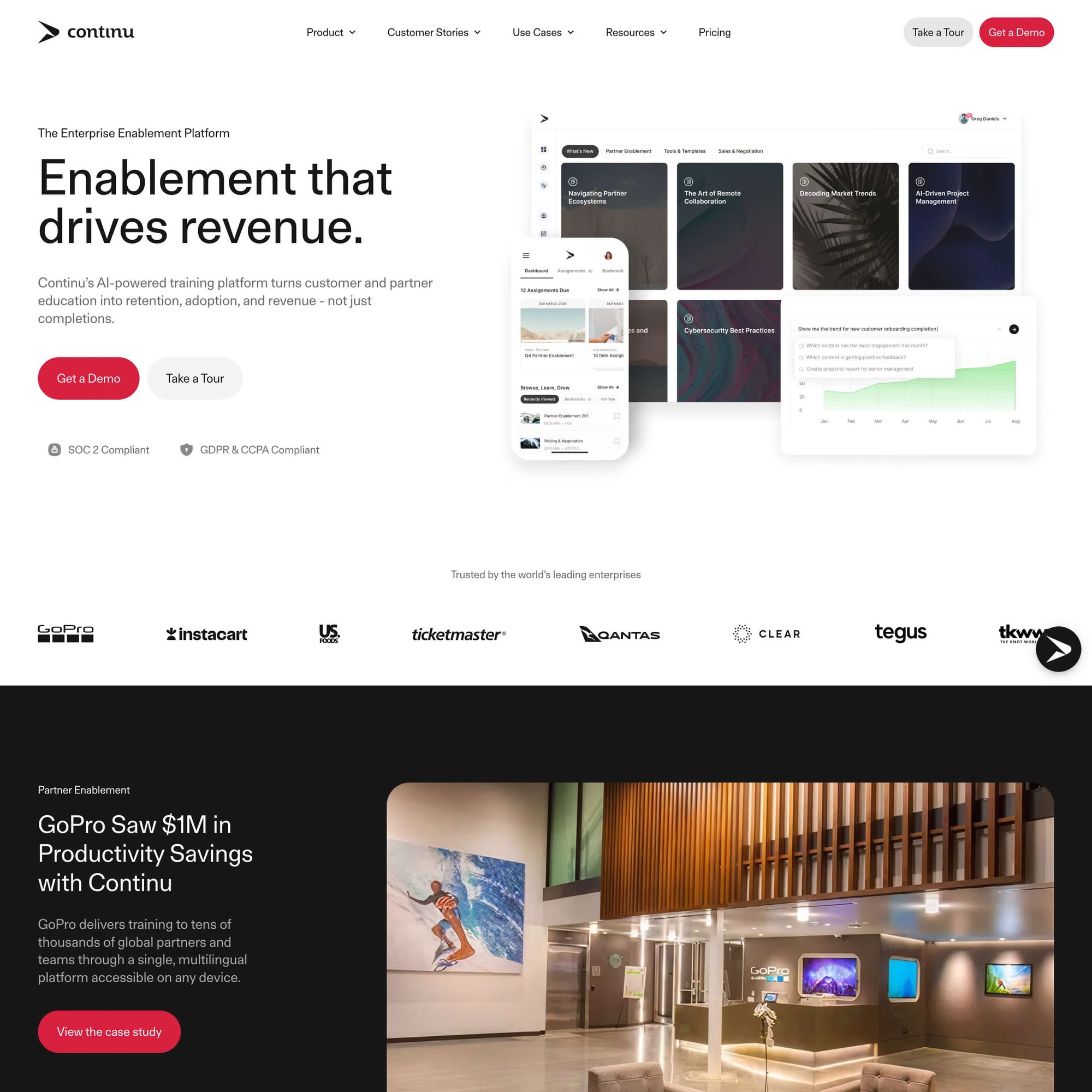
Continu sells to the enterprise. Its website looked mid-market.
Years of edits by many hands had pulled pages away from the original design library. Content, URLs, CMS data, and third-party scripts had piled up. The site felt heavy, loaded slowly, and was hard to manage.
"We needed an enterprise website to attract enterprise leads." - Kevin McReady, Head of Demand Generation, Continu
Why a rebuild, not a reskin
New paint on a bloated build carries every problem forward. A rebuild let the team prune pages and elements it no longer needed, and take back control of the data in the CMS.
The Solution
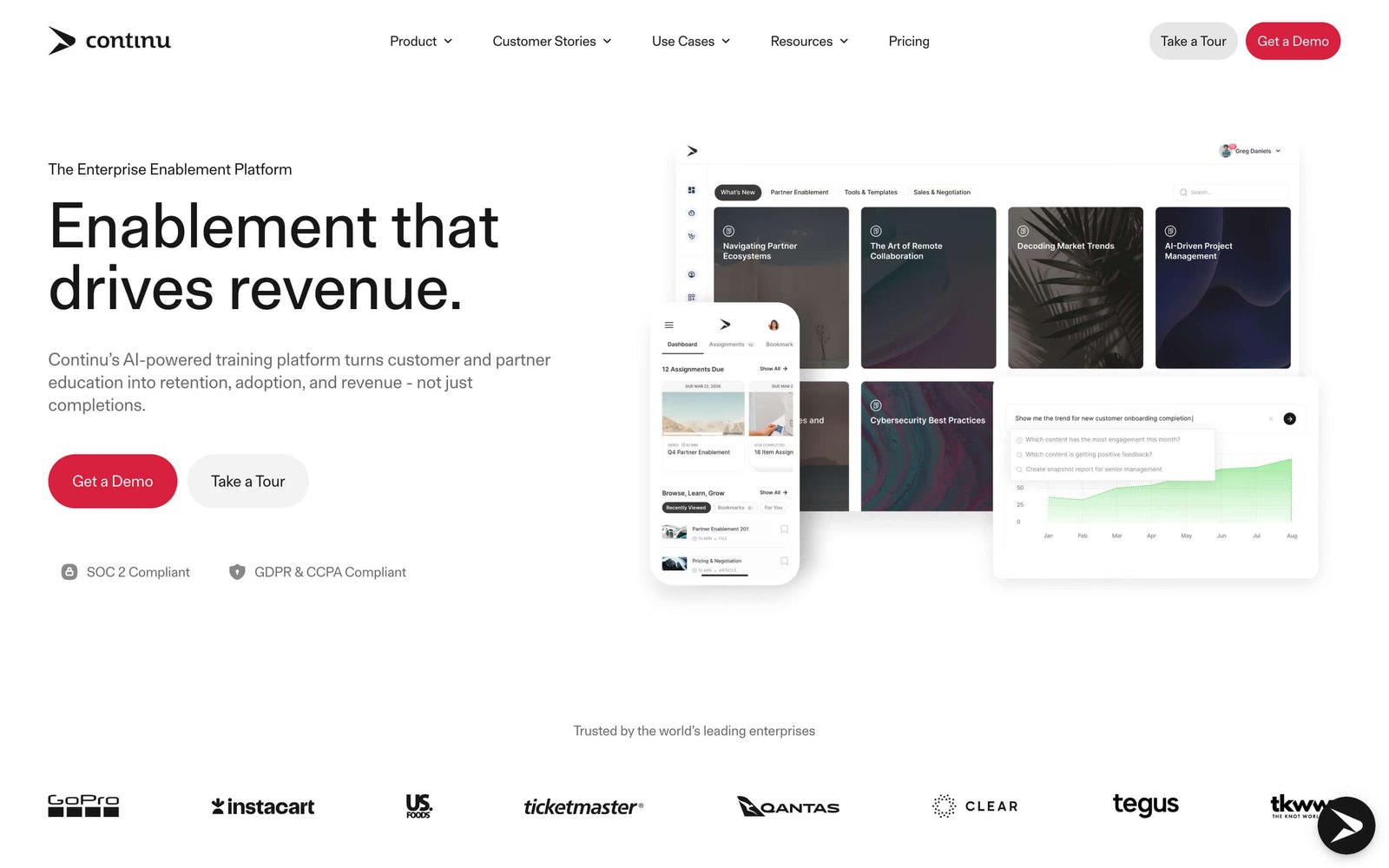
Beqi rebuilt the site from scratch in Webflow, from the new enterprise design.
- Component-first build. Components with properties and variants, variables, and one style guide - reusable blocks instead of hundreds of one-off pages.
- Pruning. Pages, CMS items, and scripts that were no longer needed did not come across. More was removed than added.
- Complex modules. Several modules were modelled on larger brands' sites and needed custom code to match the design. They shipped.
Team, timelines, and collaboration
- Design. Continu's team and its design agency produced the designs in Figma. Beqi does not design.
- Development. Beqi built every page and module in Webflow.
- One priority list. Every page and module sat on a shared list with a status, a priority, notes, and a link to its Figma frame. Work followed that order.
- One Slack. Continu, the designers, and Beqi worked in one shared workspace from the intro call to launch. Questions were resolved within a day or two.
- Staging first. The new site was built and reviewed on a separate staging site before launch.
QA: getting design to spec
- Figma is the spec. Each page and module was built from its Figma frame and reviewed against it.
- Review on staging. Continu's team reviewed on the staging site and fed back in Slack before anything went live.
- Performance as a launch check. Core Web Vitals passed on both mobile and desktop at launch.
"How easy it was to just send over a design file in Figma and see it become an actual part of the website. The Beqi team understood everything we were doing and built it exactly how we imagined." - Kevin McReady, on what stood out about working with Beqi
The Results
The rebuild turned a heavy site into a set of reusable blocks the marketing team can run.
New landing pages take about an hour, down from 5-10 hours or several days. Build the block once, reuse it everywhere.
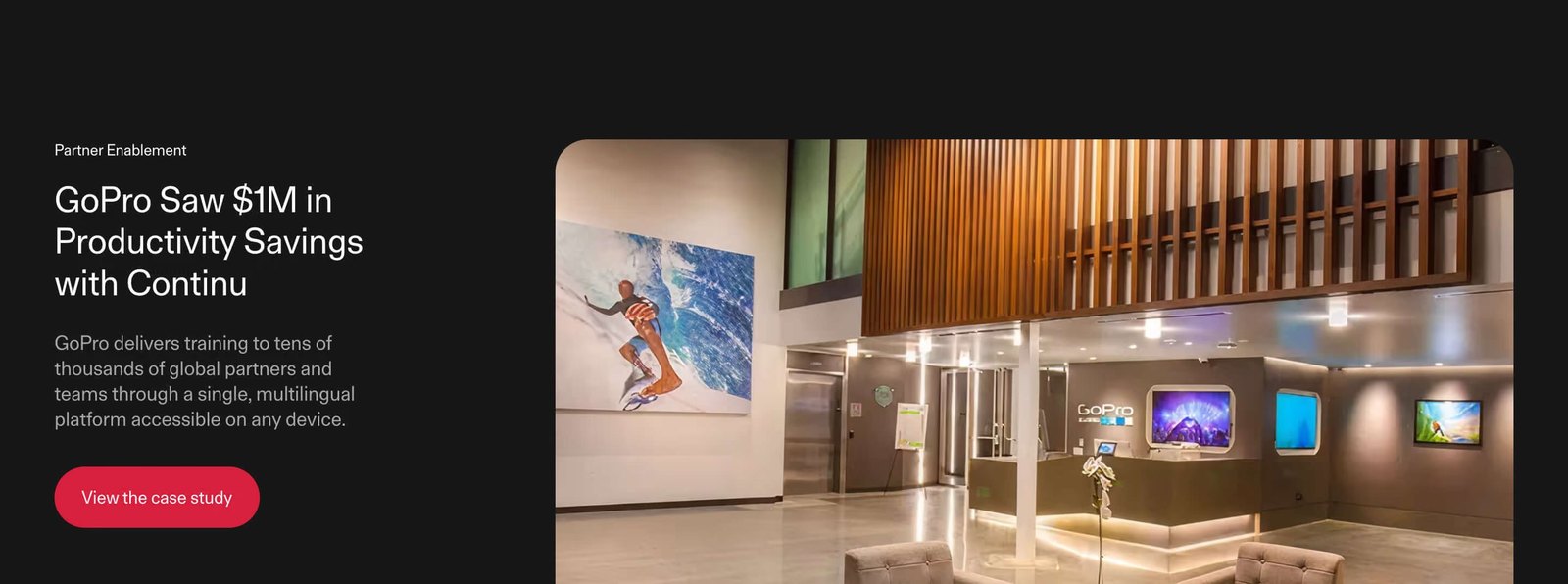
Core Web Vitals passed on mobile and desktop at launch.
ABM and paid-ads pages are built by the marketing team itself: swap text and images, publish.
Design on this project came from Continu and its design agency. Beqi's part was the Webflow build.
"Handling the entire web design project with full confidence. There was no hand-holding, worrying about timeframes, or lack of communication. Everything went smoothly from start to finish."
FAQ
Beqi rebuilt Continu's Webflow site from scratch on components, variables, and one style guide, working from the new enterprise design in Figma.
No. Continu's team and its design agency produced the designs in Figma. Beqi built them in Webflow, with everyone in one shared Slack.
New landing pages take about an hour, down from 5-10 hours or days, and Core Web Vitals passed on mobile and desktop at launch.
Years of added pages, CMS items, and scripts had made the site heavy. A reskin would have carried that forward; a rebuild let the team prune what it no longer needed.
